Health Advice

This page is to give advice and guidance to patients on how to manage their long-term conditions, how to deal with minor injury and illness that doesn't require treatment from a clinician and give patients advice on several topics.


NHS 111

a group of people sitting in chairs

NHS 111

111 online is a fast and convenient alternative to the 111 phone service and provides an option for people who want to access 111 digitally. 

Your needs will be assessed and you will be given advice about whether you need:

  • Treat yourself at home
  • Go to a Primary Care Centre

If you need face to face medical attention you may be asked to attend a Primary Care Centre.

Click here to access NHS 111 online or call 111 to speak to a staff member.

Dental Pain

Dental Pain: Why You Should See a Dentist

If you have toothache, swelling, or other problems with your teeth or gums, it is best to see a dentistDentists are trained to diagnose and treat dental problems.

GPs are not trained in dental care, so they are usually unable to treat the cause of dental pain.

Why See a Dentist Instead of a GP?

Dentists treat the cause of the problem

They can examine your teeth and gums and provide the treatment you need.

GPs usually cannot prescribe antibiotics for dental infections

Antibiotics are only used in certain situations and should be prescribed by a dentist when appropriate.

Painkillers only give temporary relief

A GP may suggest pain relief, but this does not fix the dental problem.

Waiting can make the problem worse

Dental infections and tooth problems can become more serious if they are not treated.

What Should I Do If I Have Dental Pain?

  1. Contact your dentist as soon as possible. They can assess your problem and provide the right treatment.
  2. If you do not have a regular dentist:
    • Visit the NHS website: www.nhs.uk
    • Call NHS 111 for help finding urgent dental care.
  3. Managing pain while waiting for your appointment:
    Over-the-counter pain relief such as paracetamol or ibuprofen may help. Ask a pharmacist for advice if needed.

When Are Antibiotics Needed?

Dentists only prescribe antibiotics if there is a serious infection that cannot be treated immediately with dental treatment.

Antibiotics do not cure toothache and are not a replacement for dental treatment.

Dental Emergencies

Seek urgent dental care if you have:

  • Severe pain not helped by painkillers
  • Swelling of the face, mouth, or neck
  • Difficulty swallowing or breathing
  • Heavy bleeding after dental treatment

In rare cases, dental infections can spread and become serious.

If swelling is affecting your breathing or swallowing, go to A&E or call 999 immediately.

Where to Get Help

  • Find an NHS dentist: www.nhs.uk
  • Urgent advice: Call NHS 111
  • Pain relief advice: Speak to a local pharmacist

Remember:

For problems with your teeth, gums, or mouth, seeing a dentist is the quickest and safest way to get the right treatment

Meningitis

UK Health Security Agency (UKHSA) statement

Meningitis - NHS

The UK Health Security Agency (UKHSA) and NHS are arranging antibiotics for some students in the Canterbury area of Kent following a number of cases of invasive meningococcal disease. The specific strain has not been identified at the present time. From 13 to 15 March 2026, thirteen cases were notified with signs and symptoms of meningitis and septicaemia to UKHSA. Sadly, two people are known to have died.
 
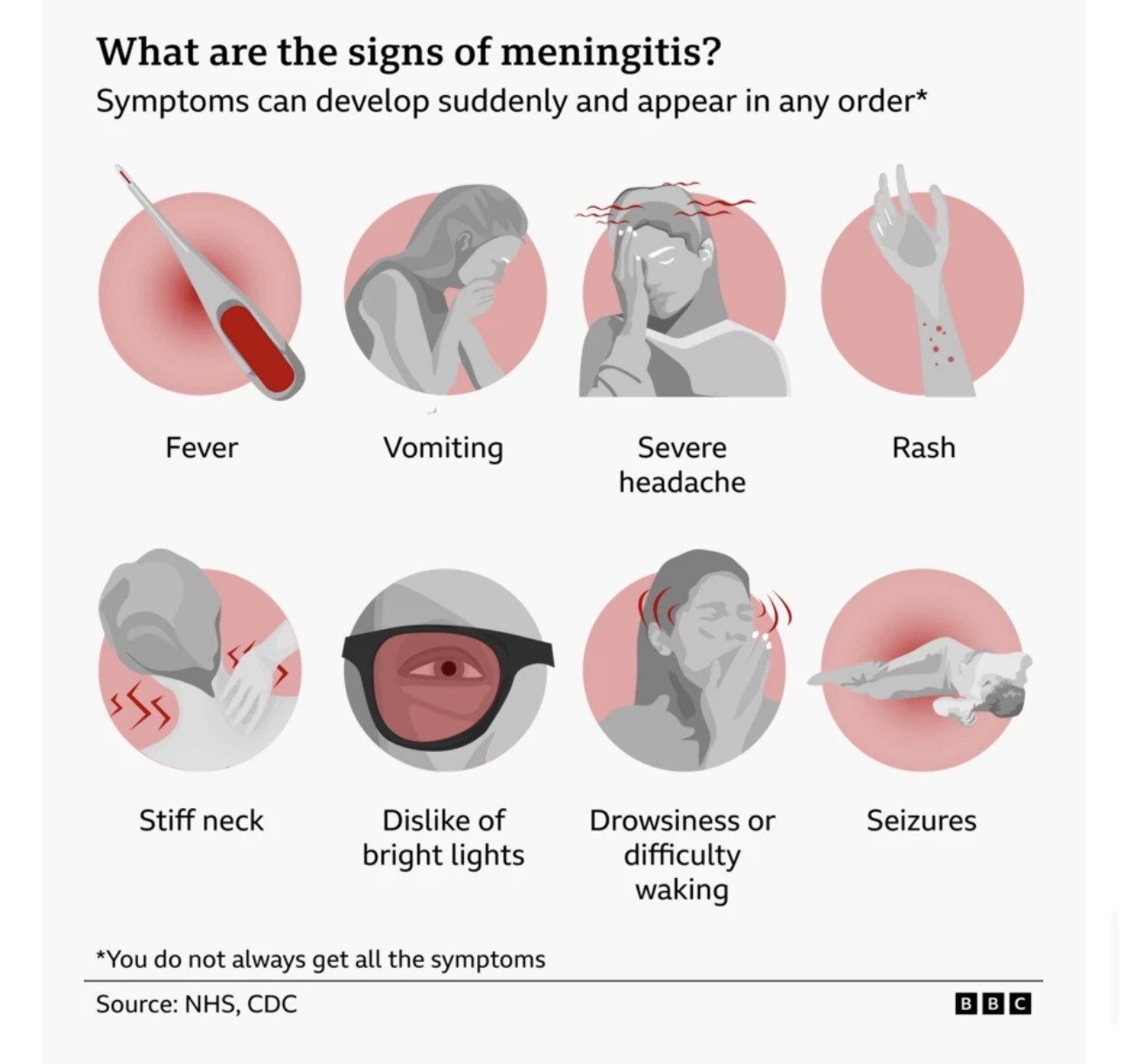
UKHSA and the University of Kent are issuing advice to staff and students. Specialists at the UKHSA are interviewing affected individuals and their families to help identify all close contacts and arrange antibiotics to limit spread. Anyone becoming unwell with symptoms of meningitis and septicaemia, should seek medical help urgently at the closest Accident and Emergency Department or by dialling 999. Early treatment can be lifesaving.

 
Read full statement here.

Further clinical guidance is available via UKHSA communications. We will continue to keep you updated as the situation develops. 

Ongoing UKHSA updates 

Meningitis B outbreak: what you need to know   – UK Health Security Agency
IMG_1706.jpeg

Page last reviewed: 24 March 2026
Page created: 10 August 2021